 The 2014 Howick Highlander event takes place on the 24th August 2014 at the Karkloof Farmers Market.
HERITAGE
The Aim of Cubs & Scouts is to encourage the spiritual, mental, social and physical development of boys, girls and young adults in achieving their full potentials as individuals, as responsible citizens and as members of their local, national and international communities.
1st Howick Cubs & Scouts strives to fulfil this using funds generated by hosting the Annual Howick Highlander Adventure weekend. The event has grown from its humble beginnings 19 years ago to a family orientated adventure day with over 800 entrants.
The purpose of the event has always been to promote outdoor activities while also raising funds for the local Cub & Scout Troop.
The success of the event in the past number of years has allowed 1st Howick Cubs & Scouts to make a meaningful contribution to the less privileged youth in their community with financial support for and interaction with the Kazimula orphanage.
ABOUT THE EVENT
MORE THAN A MOUNTAIN BIKE RIDE...
THE RACE PHILOSOPHY
MTN bike events have become expensive. As Cubs & Scouts, we believe in family orientated outdoor activities. Our vision is to present a community focused outdoor event that the whole family can enjoy and afford. We have therefore cut out all extra's in a bid to provide you and your family with a fun filled day of cycling without the cost.
TIMING AND CSA LICENCES
This event is not intended to be a race. If you would like to know your finishing time - bring a watch! As this is an untimed event, there will be no CSA licence fees payable.
NOTE: Other than a good day's fun for you and your family, riding this event does not qualify you for anything - CSA or otherwise.
TRAIL RUNS
The trail runs will be run along similar routes this year through Umgeni Valley nature reserve. There will be water tables on all the routes, but it is advisable to carry your own water. The start times are early enough to allow you to participate in both the run and cycle events - if you are that brave. Otherwise bring your loot - there will be pancakes on sale!
- 7:00am 20 km R80
- 7:05am 10 km R70
- 7:10am 5 km R40
CYCLE RIDES
The routes are substantially the same this year. Riders will be able to enjoy a much more sociable ride along dirt roads and jeep track in the Umgeni Valley Nature Reserve and Everdon Estate - places that you cannot normally ride with the most stunning views! There will be no road crossings to worry about, and the routes will not be technical in nature (except for the 20km extreme) - no excuses Mom!
For those wanting a tough technical ride, try the 20km extreme which follows the 20km trail run route down into the Umgeni Valley. Beware it's a long hard ride out of there!
- 8:30am 40km R140
- 8:40am 20km & 20km extreme R100
- 8:50am 10km R80
- 9:00am 2km R30
HALFWAY LOUNGE
We have a relaxing halfway lounge for you to rest your weary legs and take in the spectacular view of the Umgeni Valley!
FOOD STALLS
Come and enjoy a cup of coffee from Marley Coffee with a fresh muffin from Miss Muffin to get you going, delicious pancakes made and served by our Cubs and Scouts, or enjoy a burger or egg and bacon roll served by the Lions.
SPONSORSHIP
An event of this nature will not be possible without sponsorships. There will be lucky draw prizes up for grabs after your run or ride including a raffle prize of a 29' Pinnacle Bike, so don't forget your raffle money on the day!
VENUE
The Howick Highlander will be held in Howick at the Karkloof Farmers Market.
The venue, at the Karkloof Farmers Market, 2km outside Howick on the Karkloof Rd, allows ample parking space and place for families to chill. Adding to the traditional hospitality and planning of the Howick Scouts and Cubs, the covered facilities make this a great venue for a great event. In the traditions of previous Highlander races, the routes are just part of the fun, with plenty of refreshments and hunger busters after the ride!
To assist in putting together a ride of this nature; Wessa, Hans Merensky's Everdon Estate and private landowners, have graciously opened their land for the enjoyment of mountain bikers. It is indeed a privilege to be able to mountain bike in the Midlands.
ENTRIES
Entries can made through ROAG: www.roag.co.za
CONTACT
For further information visit our web page: www.howickhighlander.co.za
Alternatively contact Cub Master: Kim Burnie on 082 572 5050

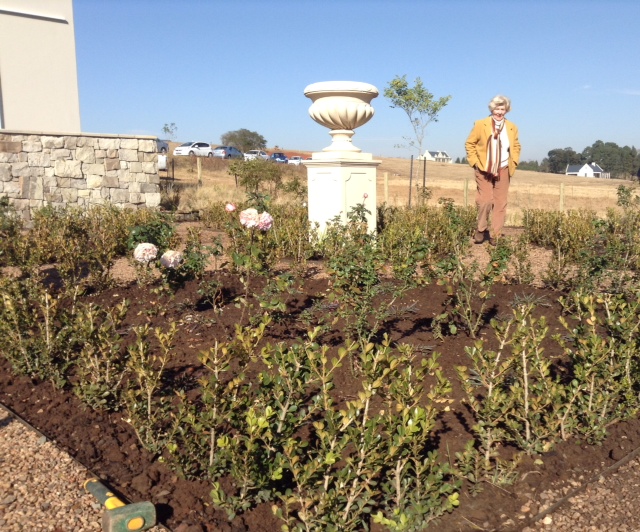 The last Hilton Garden Club outing was to "The Gates" - just outside the gates of Hilton College - where Gordon Stuart gave us a talk on the garden he is currently landscaping at one of the houses. Although the garden is obviously very new and dry and brown, it was interesting to have Gordon talk us through the design of the garden and his choice of plants.
 Cowan House Grade 7 boys and girls recently enjoyed an adventure in Botswana during the July holidays.
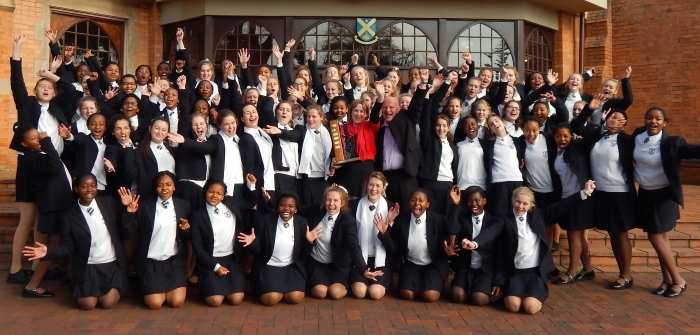 St Anne's were invited to participate at the ATKV Applous Finals in Pretoria on 31 July and were entered in the Non-Afrikaans Mother Tongue Category. They exceeded all expectations when they were announced Best Choir Overall at the end of the evening. First time entrants to the competition, this young choir is set to do great things for St Anne's Music. They performed with spirit and passion at the prestigious ZK Matthews Auditorium and received a host of awards including Gold, the Best Girls' Choir, Best Prescribed Work and the coveted Best Choir Overall on the night.
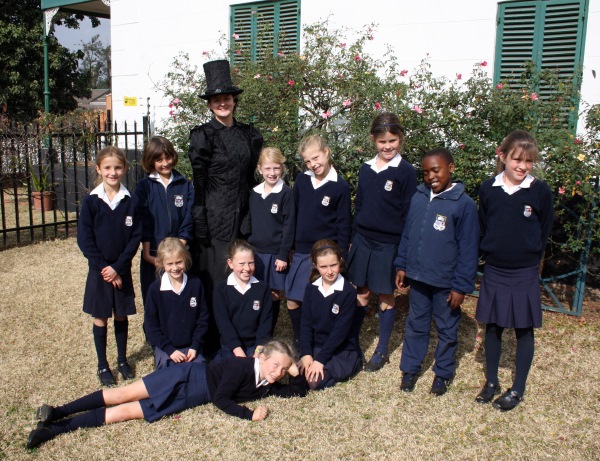 One of Pietermaritzburg's well preserved historically significant buildings, Macrorie House Museum, brought history to life for a class of Grade Three Laddsworth Primary School pupils this week.
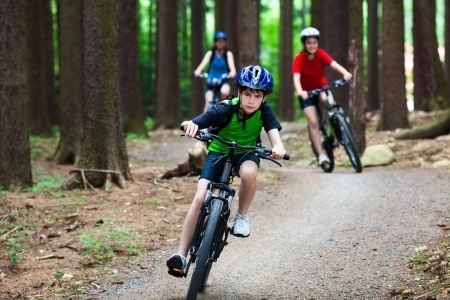 Hilton's Community Police Forum have shared the following safety tips for cyclists:
 Laddsworth are proud to announce that Tyler Francis has been awarded a Hockey Scholarship to Maritzburg College for 2015. Tyler recently represented the KZN Inland U14 C team at an inter-provincial tournament where he was the highest goal scorer, scoring four goals.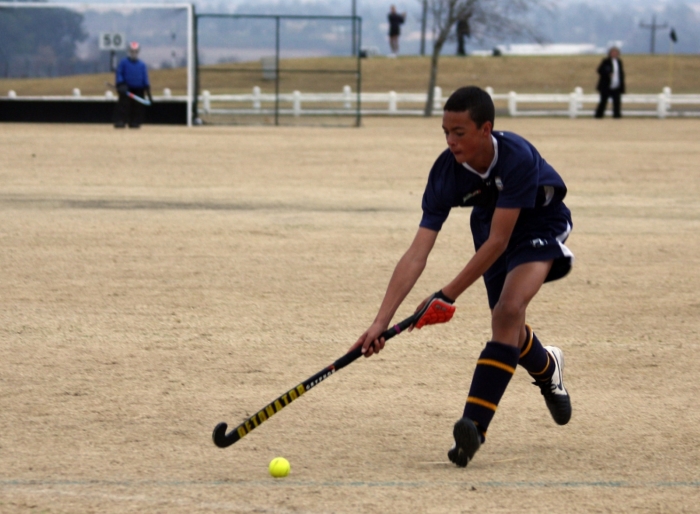
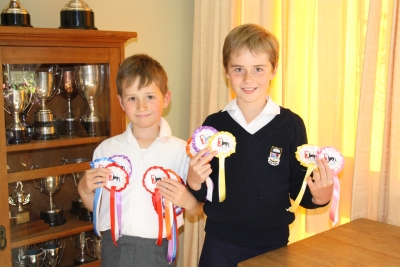 During their July vacation siblings from Laddsworth Primary School, Demi and Jordan Edwards participated in a Horse Show where they were rewarded for a variety of achievements. Demi earned five rosettes for; 2nd place in Best Rider category, 3rd place in Dressage, 3rd place in Activity, 4th for the Pole on the ground event and 5th for Jumping. Jordan who is in Grade two won six rosettes for coming 1st in Best Rider and Activity, 2nd in Dressage and Pole on the ground, 5th in Jumping and he received the Victor Ludorum.
 Twins in Grade two at Laddsworth Primary School, Hannah and Calum Mulder enjoyed their Midlands Mud Man experience.
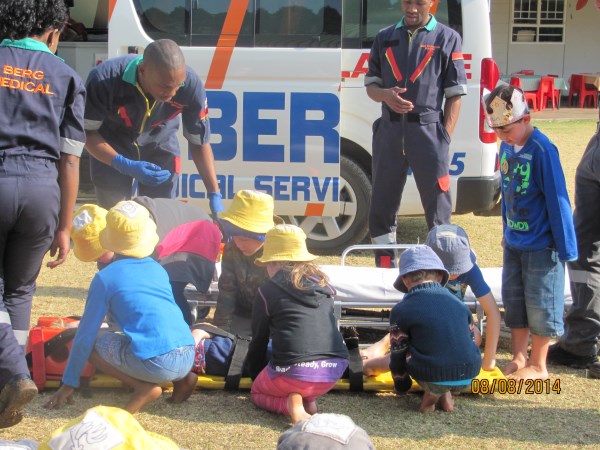 The theme at
 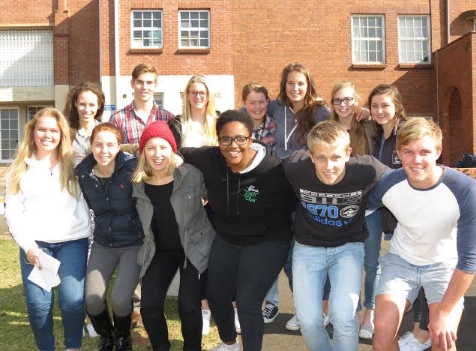 Imagine the middle of a bitter Midlands winter... freezing mornings melting into sunny days. Imagine sixteen learners, bravely facing the icy cold early every day while their holidaying peers sleep in. Imagine eighteen dedicated teachers, all highly specialised in their subjects, making the trip every morning to St Anne's College to groom eager young minds for their trial and final year examinations. Imagine hard work, laughter, and light bulbs turning on – all in the name of Education and its trusty side kick, Preparation. Can you imagine all these things? Well if you can, then you're imagining the successful Winter Revision School which ASP Tutoring recently held over the July holidays.
 I love words. I use them constantly. I'm in awe of their power and influence. I also love gleaning and collecting all sorts of interesting facts, ideas and opinions from all sorts of sources. I file them knowing there'll be an opportunity to use or share them, either in conversations, lectures, workshops or in writing. As I sat in Cape Town this week waiting to pitch a proposal, wondering whether I'd be successful, I suddenly remembered I had "Stumbled Upon" a list of the108 Most persuasive words in the English Language back in 2013! I was pleased to see I regularly use a good number of them across all my activities and work. So I'll give you my word list. And I'll tell you later if my words managed to persuade my audience!
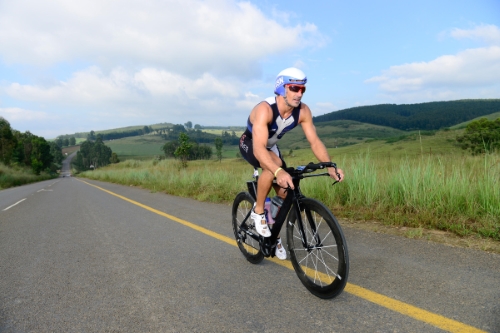 Midlands braces for biggest field in 8yr history!
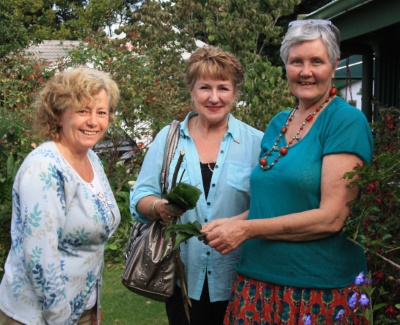 Diane Aldworth is Hilton's uncontested Queen of Herbs! Her wealth of herbal knowledge is vast and she is most willing to share it through her six month courses, herb club and
 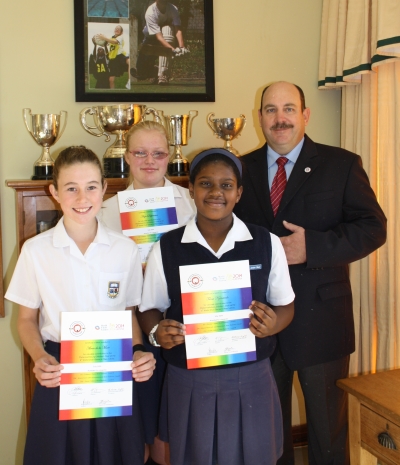 When the Pietermaritzburg Children's Choir visited Riga, Latvia in July there were amongst them three songbirds from Laddsworth Primary School's choir: Anja Dippenaar, Airen de la Mare and Tiana Nzimande. The choir sang in the 2014 World Choir Games which is the equivalent of the Olympics for choirs. 420 choirs from 52 countries competed and South Africa won the event.
 Laddsworth Primary Schools 1st XI participated in a festival at Hilton College and Michaelhouse on the 26th and 27th July 2014. They won six and drew two out of 12 games played against Westville Primary, Penryn College, Chelsea Preparatory, Penzance Primary, Winston Park Primary, Umhlanga College, Virginia Preparatory, St Benedict's Junior Preparatory, Lynford and Western Province Primary School.
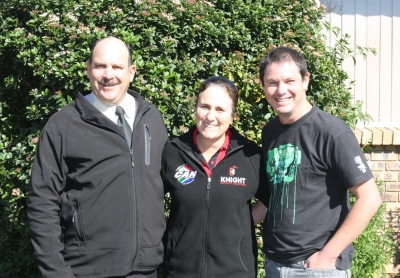 Brian Jones, CEO of SA CAN Community Action Network and Debbie Preston, a partner in
 Prianna Maharaj, a Grade 6 pupil at Laddsworth Primary School participated in the South African Inter-regional Table Tennis Tournament from the 6 to 13 July 2014 in Mangaung (formerly Bloemfontein) representing Umgungunglovu District.