 Congratulations to Matthew de la Hey (Hilton College 2008) who has been awarded the Mandela Rhodes Scholarship. The aim of this scholarship is to help in building leadership excellence in Africa. The scholarship is open to scholars from any African country who hold a recognised first degree and who are under the age of 30 for postgraduate study at an accredited South African university. The Mandela Rhodes Foundation offers young Africans who exhibit academic prowess as well as broader leadership potential an educational opportunity unique on the continent. While pursuing their chosen post-graduate degree, each Scholar benefits from access to leadership development programmes, rooted in the principles underpinning the Foundation.
In addition to the opportunity to interact with a diverse group of fellow-Scholars that spans the continent and academic disciplines, they become part of a wide-ranging network of young Africans of excellence who are expected to play leadership roles in their fields and societies in the years following their time 'in residence'.
The Scholarship aims at nurturing a network of young African leaders who are committed to being the best they can be; and to serving their fellow human beings, their continent and the world. In addition to paying tuition, accommodation and other allowances, the Scholarship offers an integrated programme of short residential courses that aim to develop scholars' leadership abilities; equip them with skills and tools for use in their leadership roles; and inspire them to deepen their purposes and goals.
Every Scholar receives personal mentoring by skilled practitioners that supports them to achieve their academic, personal and social goals.
During his time at Hilton College, Matthew was a keen canoeist (he was Captain of Canoeing), a rugby player and a competent academic, and displayed fine leadership skills. He was also a fine artist having work displayed in the KZN TOP Matric Art Exhibition at the Tatham Art Galllery.
Hilton is delighted that Matthew has achieved this prestigious award.
Article submitted by Hilton College.
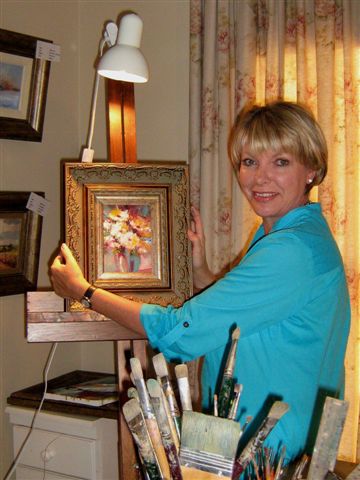 Marion Lowe, a local artist from Hilton, has set herself a challenging assignment, namely painting forty pictures in forty days for Howick Hospice! From 5th November to 15th December, Marion will paint a picture a day. These unframed oils, aptly named Little Gems, will be sold for R500 each on a first come, first serve basis with part of the proceeds being donated to Howick Hospice. Marion experienced the loving care of Hospice when her father was ill and she wants to give something back.
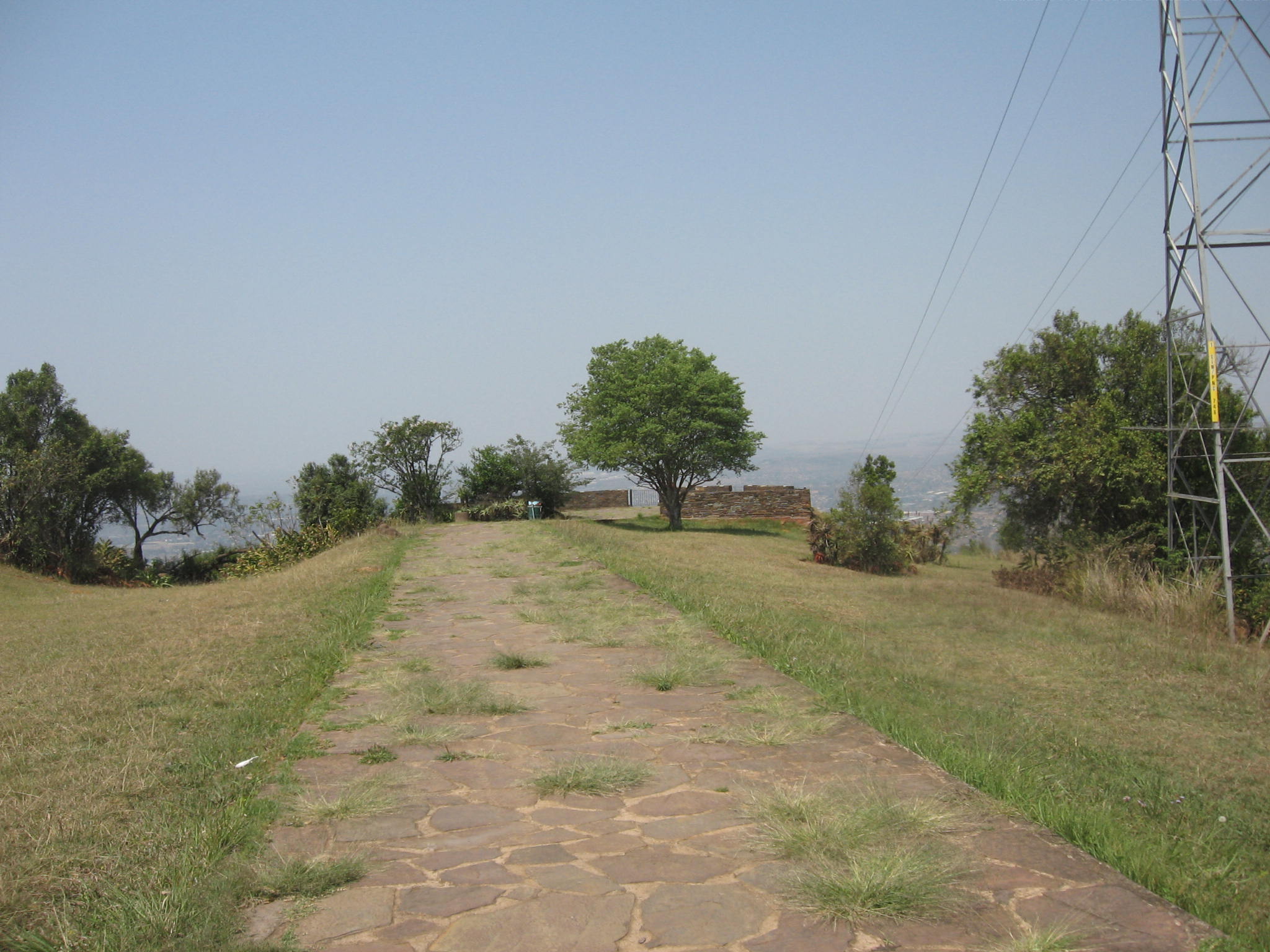
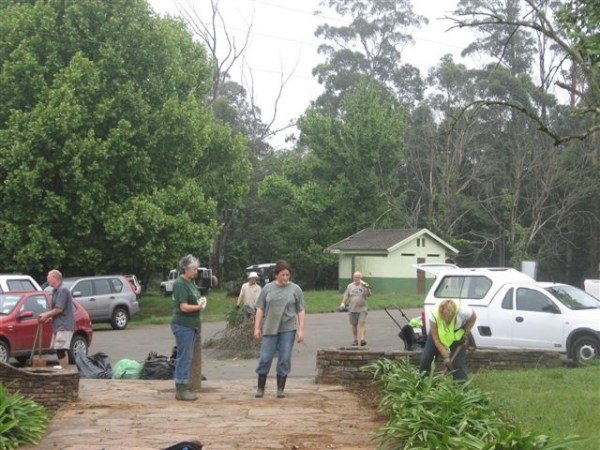 The World's View Conservancy had a good turn out of volunteers at their recent clean-up of the famous viewsite. The cool, misty morning saw young and not-so-young energetically gardening, picking up rubbish and removing alien vegetation.
  'Moustache Season is upon us, so I've decided to register for Movember and embrace the hair of the wild. I've pledged to cultivate a genuine 100% face grown moustache for 30 days to raise awareness and funds for men's health, specifically prostate cancer.
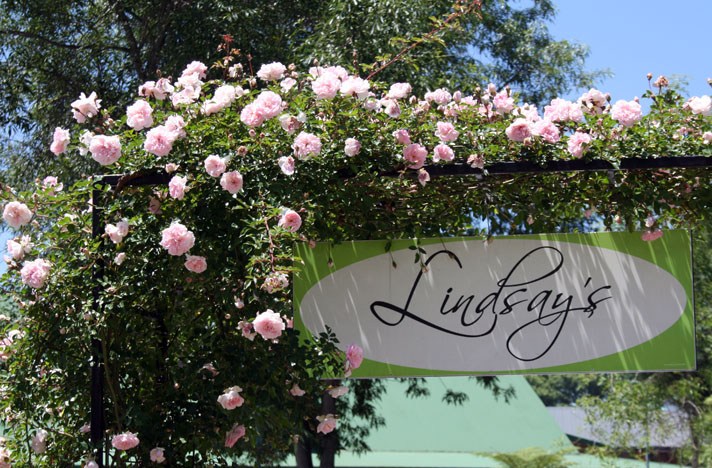 October is rose month and Lindsay's arch is looking delightful! Pop in to Lindsay's at the Lower Quarry Centre to enjoy great cooking and order your Glazed Gammon at R110.00 per kg, a Christmas cake or Mince pies. Lindsay is taking orders early so you can get in before she sells out.
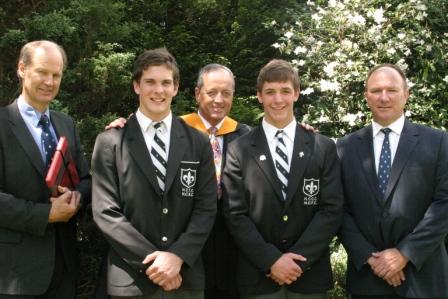 Hilton College held Speech Day on Thursday 20 October. The Guest Speaker was Charles Yeats (Head Boy in 1974), author, lecturer and a Hiltonian who was jailed as a conscientious objector during the time of conscription.
 What an overwhelming response was received for the Annual Hilton Food and Wine Fair, held on 16 September, at the Protea Hotel Hilton.
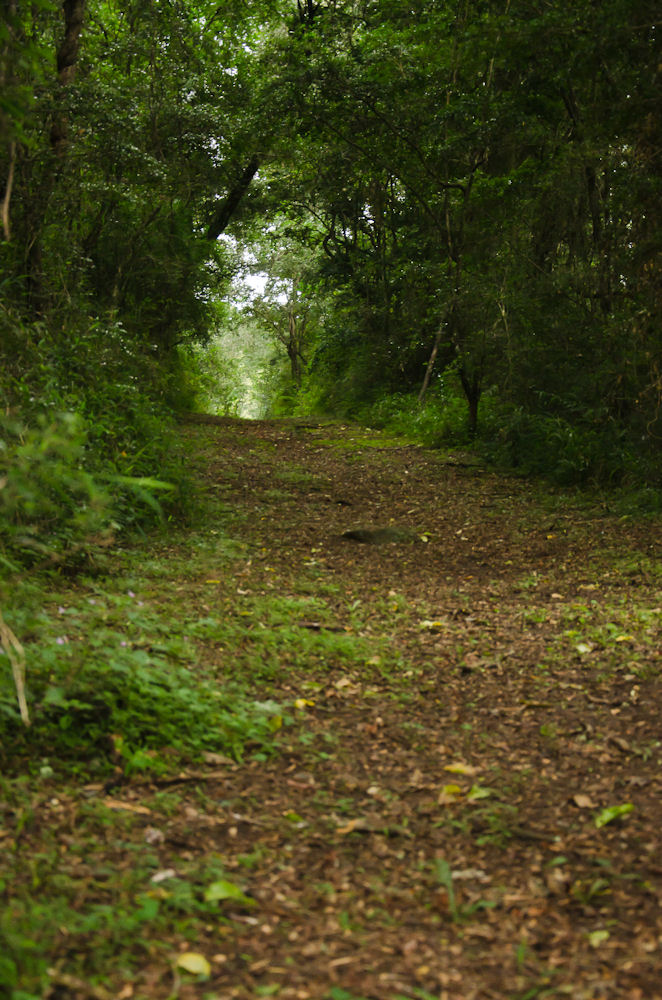 In 2010, 12 Conservancies in the KZN Midlands got together to form the Midlands Conservancy Forum (MCF) to share ideas, knowledge and discuss common challenges. Working together will support those who are facing daunting tasks and offer advice to the newer conservancies, too. Learning from one another is a vital component of the new forum, as everyone has different experiences to share. The MCF area extends from World's View, Winterskloof and uMgenyane Conservancies in the South to Kamberg and Hlatikulu in the North West.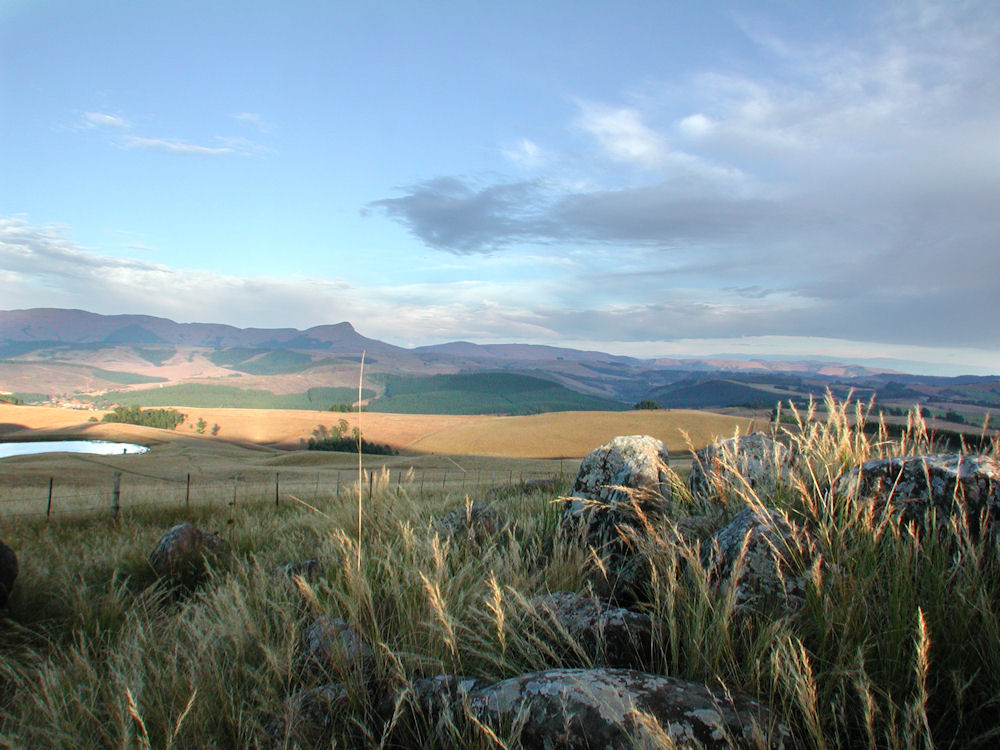
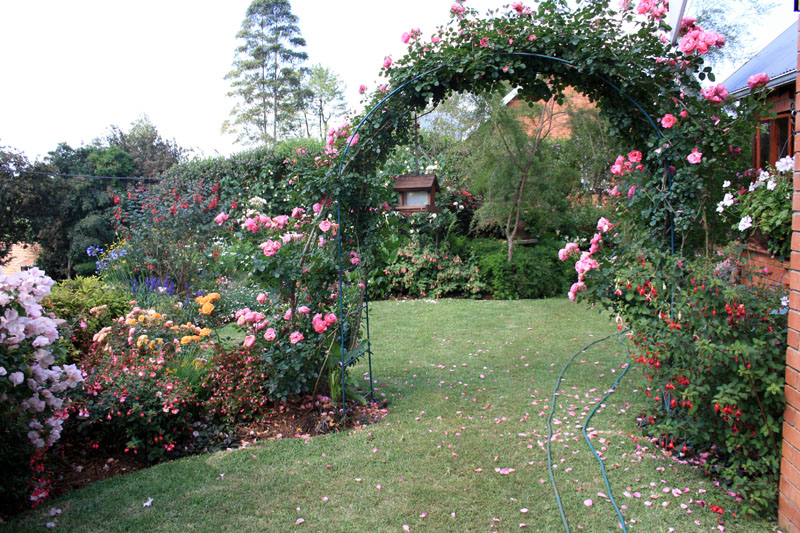 Marian Van Der Westhuizen shares her Spring garden and some tips.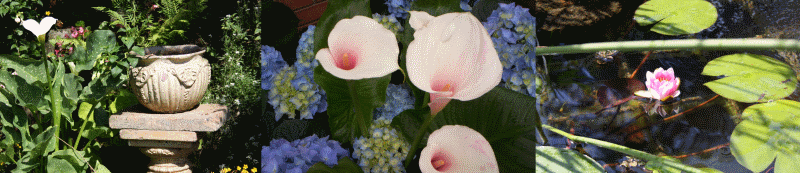
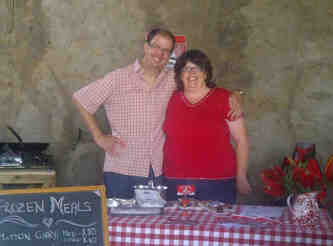 Mum's Country Meals launched late in April 2011 providing healthy home-cooked frozen meals and baked treats in Hilton. Happily sated with delicious goodies their clients began to ask for more options and new opportunities have literally popped up for Mum's Country Meals. The resourceful owner Michelle Robinson quickly found new recipes, additional local cooks and quality suppliers in order to meet the fresh demands.
 We are thrilled to share this exciting news with you and glad that we can provide and give back MORE to you!
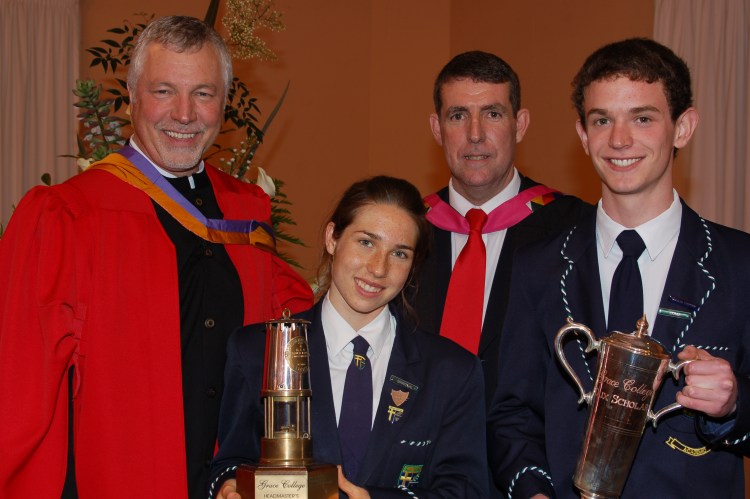 Grace College celebrated their Valediction Service on Wednesday, 19 October 2011 in Hilton. This occasion is used to reflect on and thank the current Matric class for their contribution to the life of our School. The guest speaker, Dr. Mark Manley, addressed the pupils on timeless virtues. Mrs. Manley presented the Grade 12 pupils with their various awards.
 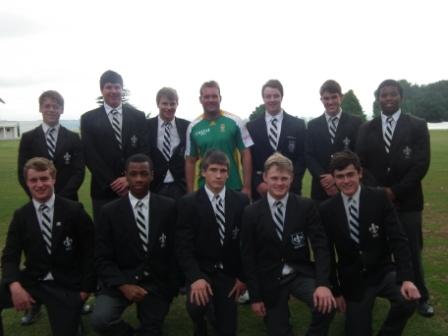 On Thursday 27 October, the world's current top all-round cricketer, Jacques Kallis, visited Hilton College. Jacques had a question and answer session with the boys and staff in the Theatre and this was followed by tea with this great legend, for all the school's cricket captains and the 1st XI at the Cameron Pavilion.
  Get a head start on your Christmas shopping at the Howick Hospice Festive Fair on Saturday the 29th October 2011 from 09h00 till 13h00.
 ''Stop in and join us for honest food, authentic beer and great company'' - Old Main Brewery
 Do not be alarmed if you spot some diminutive, yet dangerous looking characters about Hilton village this afternoon. It's the Grade 3 Pirate Day at Laddsworth Primary School and luckily for us all the only Booty they are after will be the treats on the Cake Sale tables.
 The recent publicity regarding concern about severe damage caused by motorbike riding in the conservancy plantations appearing in this and other newspapers and forums seems to have had the desired effect as the number of motorcyclists abusing the conservancy area appears to be subsiding.