 After the heavy rains most of the country experienced midway through September, your lawn may be looking greener than it has in months. The downside? It's meant growth on steroids, weeds making themselves at home, and some lawns left dealing with sodden patches and compacted soil.
The good news is that helping your lawn get back on track rarely requires drastic measures, according to Fathima Mathen, Marketing Manager for GARDENA South Africa. “Nevertheless, extended periods of heavy rain can affect a lawn quickly, and not always in obvious ways,” she explains. “So, it’s important to look beyond growth and notice how it’s draining, where weeds are appearing, and whether certain areas are slower to bounce back. Those small signs reveal a great deal about what your lawn needs next.”
Mathen shares five steps to help your lawn recover from too much of a good thing:
1. Let it dry first
It can be tempting to mow the minute the rain clears, especially when growth is visibly getting away from you. But mowing a saturated lawn can compact wet soil, damage the turf and leave behind an uneven finish. Rather, wait until the surface has dried sufficiently and the ground feels firm underfoot.
2. Lower the cut gradually
You can't go from wild to neat in one aggressive cut. Removing too much growth at once can stress the grass, so bring the height down over a few mowing sessions.
Adjustable-height mowers like GARDENA’s PowerMax range make this easier, allowing you to start high and lower the cutting height with each mow until your lawn is back to the required length.
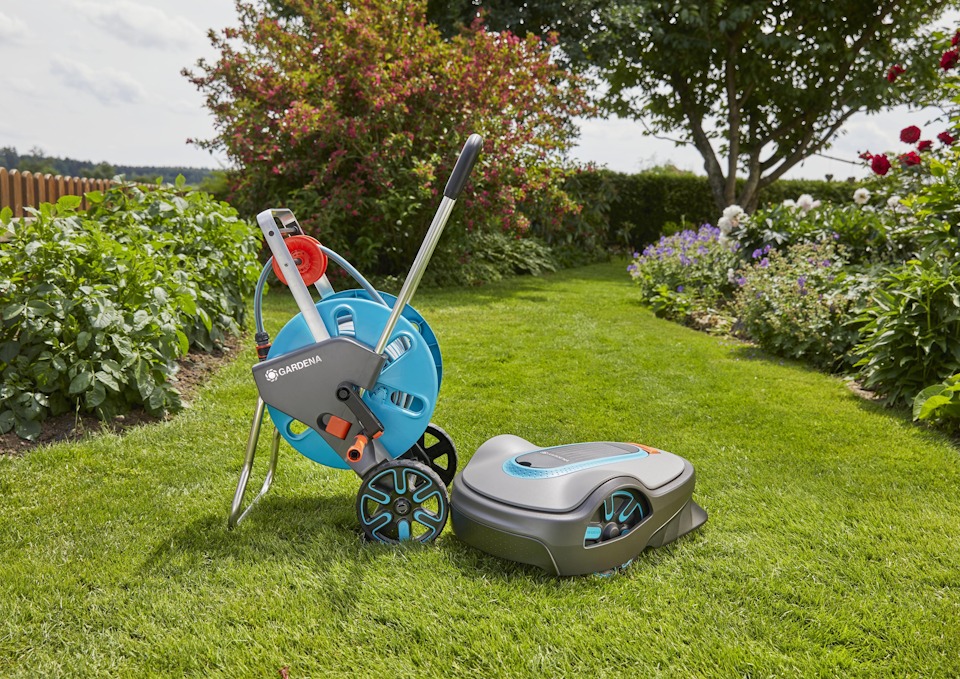
And for those who’d prefer technology to take the reins, GARDENA’s SILENO robotic mowers quietly keep lawns in shape, rain or shine, so grass stays neatly trimmed… effortlessly.
3. Deal with weeds while the soil is soft
Rain rarely benefits only the plants you invited into the garden. Weeds can quickly take advantage of thin or weakened areas in the lawn, and simply mowing over them is unlikely to solve the problem.
Where possible, remove weeds with as much of the root as you can. Damp, workable soil often makes this easier, while the GARDENA Weed Puller is designed to remove weeds such as dandelions from the root while allowing you to remain standing.
This is also a useful time to think about the lawn as a whole rather than treating each problem in isolation. Weeds, poor drainage and uneven growth can all be symptoms of a lawn under stress. The aim isn't just to make it look tidy again; it's to give healthy grass the conditions it needs to take hold and outcompete the weeds long term.
4. Help the lawn breathe
Persistent puddles, yellow-green patches, or areas that remain soggy can point to compacted soil. When the roots can't breathe, and water has nowhere to go, the grass struggles too.
Aerating opens up the surface so air, water and nutrients can actually get where they're needed. GARDENA Rakes can also help remove moss and thatch, giving the grass below more room to fill out.
5. Make maintenance easier from here
Of course, once your lawn has turned the corner, a few simple habits will keep it looking manicured and summer-ready, so those little issues stay little:
1. Keep the grass at a sensible height by following a regular mowing and edge-trimming routine
2. Stay on top of weeds
3. Watch for drainage issues
4. Re-seed thin patches
5. Water wisely
Mathen concludes: “The trick is to make the rain work in your lawn’s favour. It has encouraged plenty of growth, and now it’s simply a matter of addressing its unwanted ‘friends’ and using the right lawn care tools. The ultimate goal is to build on the good start the rain has provided and set your lawn up to thrive in the season ahead.”
To learn more about GARDENA’s lawn product solutions, visit https://www.gardena.com/za.