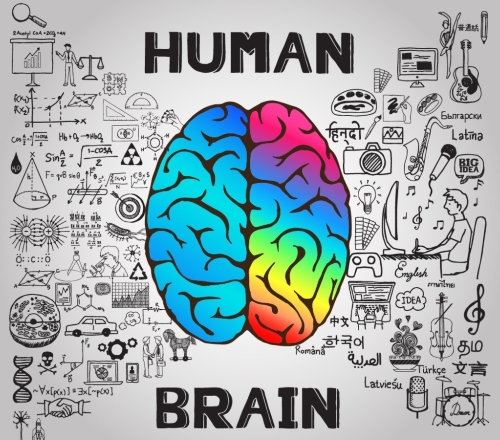
As parents, we always want the best for our children both at home and at school. The latest research, which has, and continues to identify the different functions that are controlled by the two halves of the brain (left and right), is enabling us to understand more and more about the wonderful strengths of the right brain.
Most schools and curriculums still approach learning in a left-brain way which is auditory, analytical, sequential and time-orientated. These strengths of the left brain do not match the normal development of the right-brain learner. Until our curriculums teach to the whole brain, these learners will struggle trying to learn using left-brain skills.
Because of this, they need you, their parents, to understand their right-brain strengths, so you can help them believe that they are not „learning disabled‟ and advocate for them whenever necessary.
Right brain, visual-spatial learners learn and remember with images, learn holistically, synthesize and have strong spatial skills which give them a keen awareness of size, space and relationships. They are creative thinkers and often entrepreneurial.
They have long term visual memories, use intuition to solve problems (can‟t tell you the steps they used to get there), and learn concepts permanently but not through rules and drill and repetition. They need to „see‟ what they are learning and often struggle in test and language-heavy classrooms and traditional education settings.
Allow us to profile your visual-spatial child/teenager, help you understand how s/he processes best, and teach him/her how to use their hemispheric gifts/skills to learn more effectively.
News supplied by The Centre for Lifelong Learning.