 Diabetes Mellitus means "siphon honey" and was so termed by the "Ancient Doctors" around 2000 years ago. The reason being is that one of the most common symptoms of Diabetes is polyuria – lots and lots of urine/ passing frequent urine, usually accompanied by polydipsia – thirst that does not seem to be quenched. The "Ancients "used to have "water tasters" or taste the urine themselves to make the diagnosis – sweet tasting urine. (Up until the 11th Century).
What they lacked 2000 years ago was a cure and certainly type 1 or Insulin Dependant Diabetes (where you have no production of Insulin in the body) was not compatible with life. There was no Type 2 Diabetes in those times for Type 2 Diabetes is a "lifestyle-induced" as well as genetically predisposed disease which in our modern day is sky-rocketing in incidence. Year on year the incidence is multiplying.
Type 2 Diabetes is a "relative" lack of Insulin, a situation where supply of Insulin seems to be outstripped by demand for it (your pancreas is still producing Insulin but not enough to metabolize the glucose molecules in your blood stream). There is new evidence that strongly suggests that the fat we ingest is a huge contributor to the development of type 2 Diabetes. This is contrary to the traditional view that it was caused by too much sugar. The fact is that it is definitely more complex and seems to involve more than just eating too much sugar or refined carbohydrate.
More than a third of people walking around with Diabetes are totally unaware of the fact. Unfortunately this gives the disease a long time where the raised sugar levels in your blood cause damage to your organs and in particular : eyes, kidneys, heart and the blood vessels all over your body but also the ones that supply your limbs. This is called end-organ damage and leads to blindness, kidney failure (needing transplant or dialysis), heart attacks and failure and gangrene and amputation once the damage is at its end point.
So who is at risk of developing type 2 Diabetes? If you have a family member that has Diabetes your risk is much increased. If your mother of father is Diabetic your risk is 1:2. If your sibling has Diabetes your risk is 1:3 and if you have both a parent and a sibling your risk is 3:4. The other risk factors are: sedentary lifestyle (if you exercise – and we are talking about proper exercise where you actually sweat and get your heart rate up you drastically reduce your risk – also once you have developed Diabetes EXCERSISE is part of the treatment and it works and will contribute to bringing down sugar levels and preventing end-organ damage), smoking, Obesity, Diet of fatty foods and the Metabolic Syndrome. The Metabolic Syndrome is a group of conditions: Hyperinsulinaemia, Hypertension (High Blood Pressure), High bad fats (LDL) and Triglycerides, decreased good fats (HDL), visceral obesity and Hyperandrogenism. One does not need to have all criteria to have Metabolic Syndrome.
The incidence of Diabetes in South Africa in 2004 was 43 Million people (according to Diabetes Voice article written by Dr Larry Distiller in 2004). The Global Prevalence rate is 246 million people with Diabetes in 2006 (the WHO had predicted a prevalence of 216 million by the year 2010 and the actual no was already 246 million in 2006 ! The point is that type 2 Diabetes is fast on the rise and the 21 sty Century is the most diabetogenic environment in history.
Once diagnosed, the most important thing is that treatment must begin as soon as possible. Traditionally in the past the treatment was a lifestyle change to start and to measure parameters a few months later (if not at target then to start medication). The new approach is that as soon as diagnosis is made the treatment is lifestyle change plus medication to reduce sugar levels in the blood. So early treatment is EXCERSISE, EXCERSISE and exercise, diet – healthy eating plan in consultation with a Dietician, exercise, and medication usually Metformin ( a drug to reduce Insulin resistance, reduce liver output of glucose and improve fasting sugar levels (which lessens the risk for end organ damage).
There are very clear targets that need to be tested more frequently initially (looking at your glucose levels over the preceding time period – HbA 1c (a blood test)) and then 6 monthly to ensure that your glucose remains at target (around 7 %). In the past targets were a lot higher but research has proven that the better the control the less: blindness, kidney failure, heart attacks and amputations. Obviously these targets are individualized and each patient is evaluated according to their own set of parameters but the aim these days is for tight control.
Diabetes is a multi-organ, multi-facetted disease that requires an approach involving a team. All Diabetics need to be seen at least yearly by : a Dietician (more frequently initially), a Podiatrist (specialist in foot care), an Ophthalmologist (eyes need to be examined and especially the back of the eye), a Biokineticist (exercise needs to be specifically prescribed according to each individual in terms of what you need to get your heart rate up without causing damage – it gets stepped up as you get fitter), a Diabetic counselor (who provides advise and information about your condition and treatment and how to use your Insulin/treatment) and your GP or CDE Doctor.
Insulin has only been around since 1922 (before that Type 1 Diabetese was a death sentence) and our knowledge of Diabetes has increased dramatically and management of Diabetes is continually evolving. This wonder, life-saving substance which initially was only used for type 1 Diabetics is now having a life changing effect on the management of type 2 Diabetics that need it.
The shear numbers involved in this Epidemic (as it is rightly being referred to) speak very loudly for themselves. The scary reality is that the numbers are increasing alarmingly. There are factors that are out of your control: your genetics, your environment with its stressors – mentally and physically and partly the food which we have available to eat (less nutritious than in years gone by). However there are many factors that are very much within your control and need to be prioritized: your state of motion (the presence or absence of exercise), the food you do eat, the early detection of diseases and optimum treatment of them. You are the manager of your own health and in no other disease as much as with Diabetes. Take the challenge to manage it well!
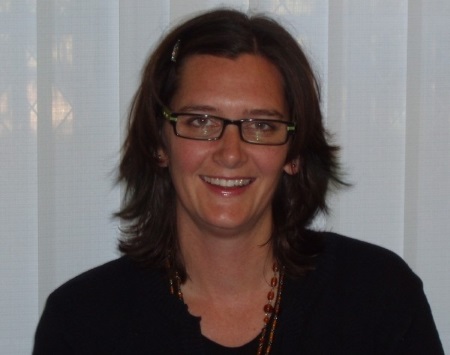
Written by Dr Claudine Lee (26 Hilton avenue) GP with an interest in Diabetes and Ophthalmology.